
This season’s IndyCar grid features a distinctly international flavor, with eleven European drivers now playing starring roles in the world’s premier open-wheel series.
Winning Mentality
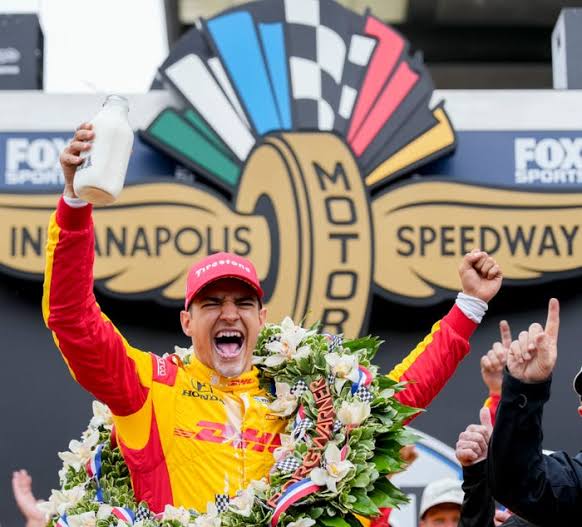
Spaniard Álex Palou continues to lead the championship pack for Chip Ganassi Racing, having claimed four titles and the 2025 Indy 500 added to his impressive list of accomplishments, underscoring his status as one of the sport’s elite competitors. 2025 saw Palou dominate for long periods of the season winning an incredible eight races and fourteen podium finishes confirming his status at the top if the mountain.
Alongside him, Swedish racers Marcus Ericsson a former Indy 500 winner himself, Felix Rosenqvist bring seasoned European single-seater experience, Dane Christian Rasmussen took a step up in 2025 with his first win in IndyCar. While British drivers Jack Harvey returning for the Indy 500 with Dreyer & Reinbold Racing, Callum Ilott, and Louis Foster represents Prema Racing and Rahal Letterman Lanigan Racing respectively the later winning the 2025 Rookie of the year award are undoubtedly a competitive force.
Dutch driver Rinus VeeKay further reinforces Europe’s influence on the series. The 24-year-old newly added to tje Juncos Hollinger Racing is known for his strong and aggressive yet calculated wheel-to-wheel style. VeeKay’s performances, including multiple podium runs and consistent points finishes, have solidified his reputation as one of the leading European contributors to the championship and a driver capable of challenging for wins when the opportunity arises.
Norwegian rookie Dennis Hauger, fresh off a dominant Indy NXT title, adding to the hugely exciting talent making their way to the track in 2026. Meanwhile, German former Formula 1 driver Mick Schumacher makes the full switch to IndyCar with Rahal Letterman Lanigan Racing, adding more European pedigree to the increasingly diverse field.
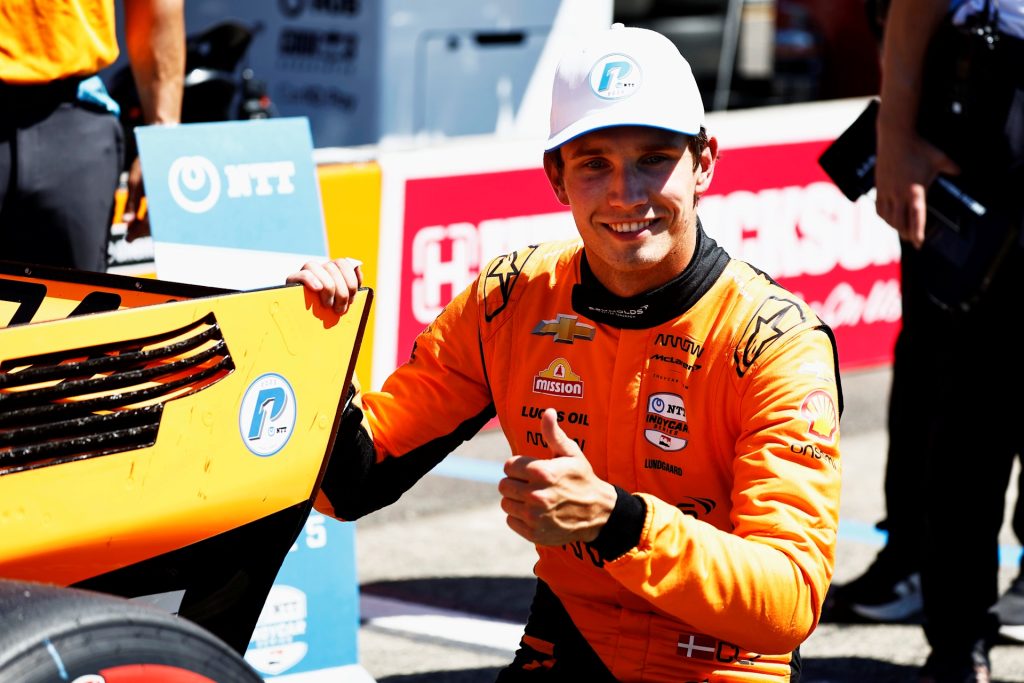
Another standout European presence is Danish driver Christian Lundgaard, who with a breakout 5th place finish in the 2025 Championship has firmly established himself as one of the series’ top challengers. After moving into IndyCar from European open-wheel categories, Lundgaard quickly adapted to the unique challenges of American racing. Driving for Arrow McLaren, he has consistently delivered strong results, including multiple top-five finishes and and no less than six podiums in 2025 that have underscored his unquestioned talent and dedication to becoming an increasing threat to Palou. Lundgaard’s smooth transition and rising competitiveness highlight how European talent can not only adapt to IndyCar’s demanding schedule but thrive within it.
Evolving and Recognition
IndyCar’s evolution from a North American-centric series to a truly global championship reflects broader shifts within motorsport. European drivers are no longer exceptions or occasional visitors, they are emerging as key contributors to the series’ competitive landscape. Palou’s continued dominance has helped validate IndyCar as a destination for top international talent, proving that success in Europe’s feeder systems can translate to excellence in American open-wheel racing.
The arrival of Dennis Hauger marks a new phase of this trend. After winning the Indy NXT title, a series stacked with future stars, Hauger’s move to Dale Coyne Racing for the 2026 season came with strong endorsements and a technical partnership with Andretti Global that promises to accelerate his development. His journey from European F4, Formula 3, and Formula 2 into IndyCar highlights a viable alternative path for many young drivers who once saw Formula 1 as the only ultimate goal.
Similarly, the signing of Mick Schumacher, son of Formula 1 legend Michael Schumacher is more than a curiosity, it represents a serious European investment in a series with a growing international profile. Schumacher’s transition from F1 and WEC to IndyCar underscores a growing trend: drivers with top-tier experience in Europe are increasingly open to challenging themselves in the highly competitive and uniquely varied schedule of IndyCar.
Beyond individual drivers, European motorsport infrastructure is also beginning to influence team approaches. PREMA Racing’s entry and adaptation to the IndyCar environment illustrates how established European racing cultures are exporting their philosophies to the American series. This blend of strategic thinking, driver development models, and technical expertise enriches IndyCar’s competitive fabric and challenges traditional norms.
The rise of European talent in IndyCar has implications both on track and off. Competition intensifies as drivers with diverse backgrounds bring new styles, experiences, and expectations. At the same time, global interest in the series grows, attracting more fans and sponsors from outside North America. As IndyCar continues to expand its reach, both through broadcasting deals and international motorsport appeal, the European influence may yet become one of the defining characteristics of the series’ next decade.
What some call a “European takeover” is less of a hostile shift and more an organic evolution. IndyCar is increasingly seen as a world-class platform where drivers from any background can compete, excel, and build lasting careers.
