

- Formula 1 manufacturers are reportedly nearing an agreement to introduce 2.1-litre turbocharged V8 hybrid engines as early as 2030.
- The proposed regulations would reduce electrical output to 200kW, incorporating a 100kW push-to-pass system to encourage overtaking.
- The FIA aims to reduce engine costs and cut car weight by approximately 80kg, although manufacturers oppose standardised power units.
Formula 1 could be poised for another significant technical revolution, with manufacturers reportedly nearing an agreement to reintroduce V8 engines as part of a sweeping overhaul aimed at reducing costs, simplifying power units and improving the spectacle.
Following months of discussions involving the FIA, manufacturers and drivers, a formal proposal is set to be considered which could pave the way for the return of eight-cylinder engines as early as 2030.
According to The Race, there is broad support amongst manufacturers for a proposed 2.1-litre turbocharged V8, representing a considerable departure from the increasingly complex hybrid power units currently employed.
The proposal would retain an electrical component, albeit with a significantly reduced emphasis on battery power compared to the regulations introduced in 2026.
Crucially, the proposed configuration could also limit development expenditure, with manufacturers potentially able to adapt existing 1.6-litre V6 designs by incorporating two additional cylinders.
Simplifying Formula 1’s power units
Under the proposed regulations, the V8 would operate alongside a smaller turbocharger with reduced boost pressure, complemented by a 200kW electric motor.
However, only half of that electrical output would be permanently available, with the remaining 100kW reserved for an overtaking or push-to-pass system.
The arrangement represents an attempt to balance Formula 1’s commitment to hybrid technology with growing concerns surrounding the complexity and expense of contemporary power units.
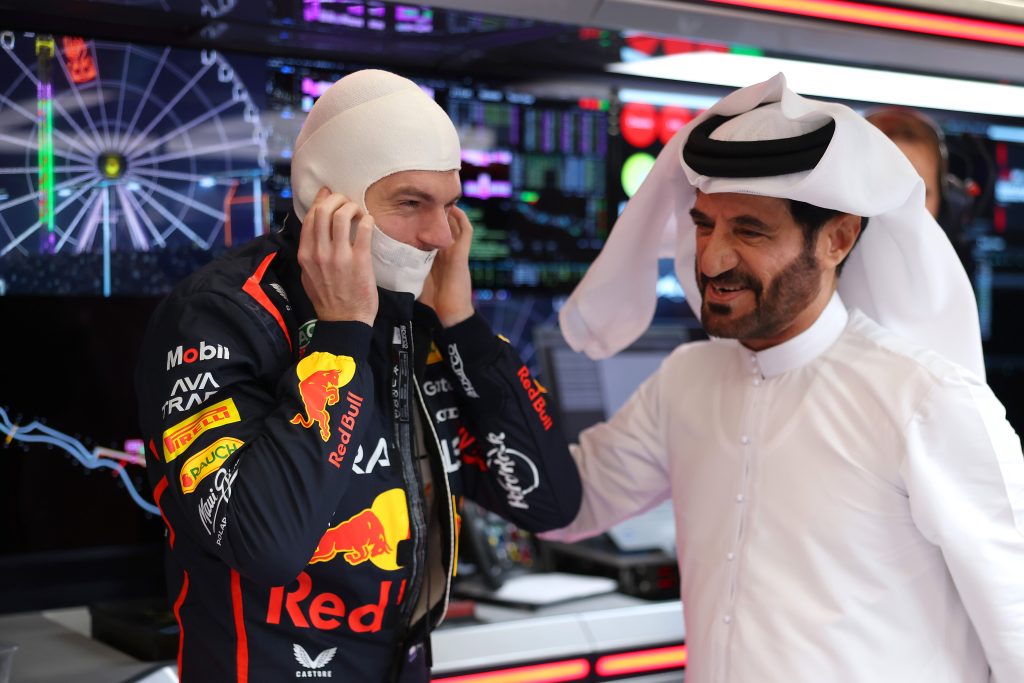
FIA president Mohammed Ben Sulayem has been particularly vocal in advocating for simpler engines, suggesting the proposed changes could substantially reduce manufacturers’ financial commitments.
“When you make it simpler, you can make it half of the price,” Ben Sulayem explained.
“Then if the R&D goes down by half, with the simplicity the production time can be shorter.”
Nevertheless, manufacturers reportedly remain opposed to proposals for a standardised baseline power unit, maintaining that engine development must continue to provide opportunities for competitive differentiation.
Earlier introduction under consideration
While the existing regulations are scheduled to remain in place until the conclusion of 2030, Ben Sulayem is understood to favour accelerating the transition by 12 months.
Such a decision would introduce another major technical reset just four years after Formula 1’s latest regulatory overhaul.
The proposed changes also coincide with an ambitious FIA initiative to significantly reduce car weight.
Having established a minimum weight of 768kg under the current regulations, the governing body is targeting a reduction of approximately 80kg, potentially bringing Formula 1 machinery below 700kg.
FIA single-seater director Nikolas Tombazis believes the objective is achievable, although compromises may be necessary.
“Overall our target is to be below 700kg, and I think it will be a significant step to make the cars more exciting,” Tombazis said.
Despite the prospect of V8 engines returning, supporters hoping for a revival of Formula 1’s distinctive naturally aspirated soundtrack may be disappointed.
The continued use of turbochargers means the proposed engines would retain a different acoustic character from their predecessors, while also avoiding the potential necessity of reintroducing refuelling.
For Formula 1, the proposals represent an attempt to reconcile technological relevance with the fundamental characteristics which have traditionally defined Grand Prix racing.
And while significant regulatory details remain unresolved, growing manufacturer support suggests the championship could be approaching another defining chapter in its technical evolution.
