
Posts

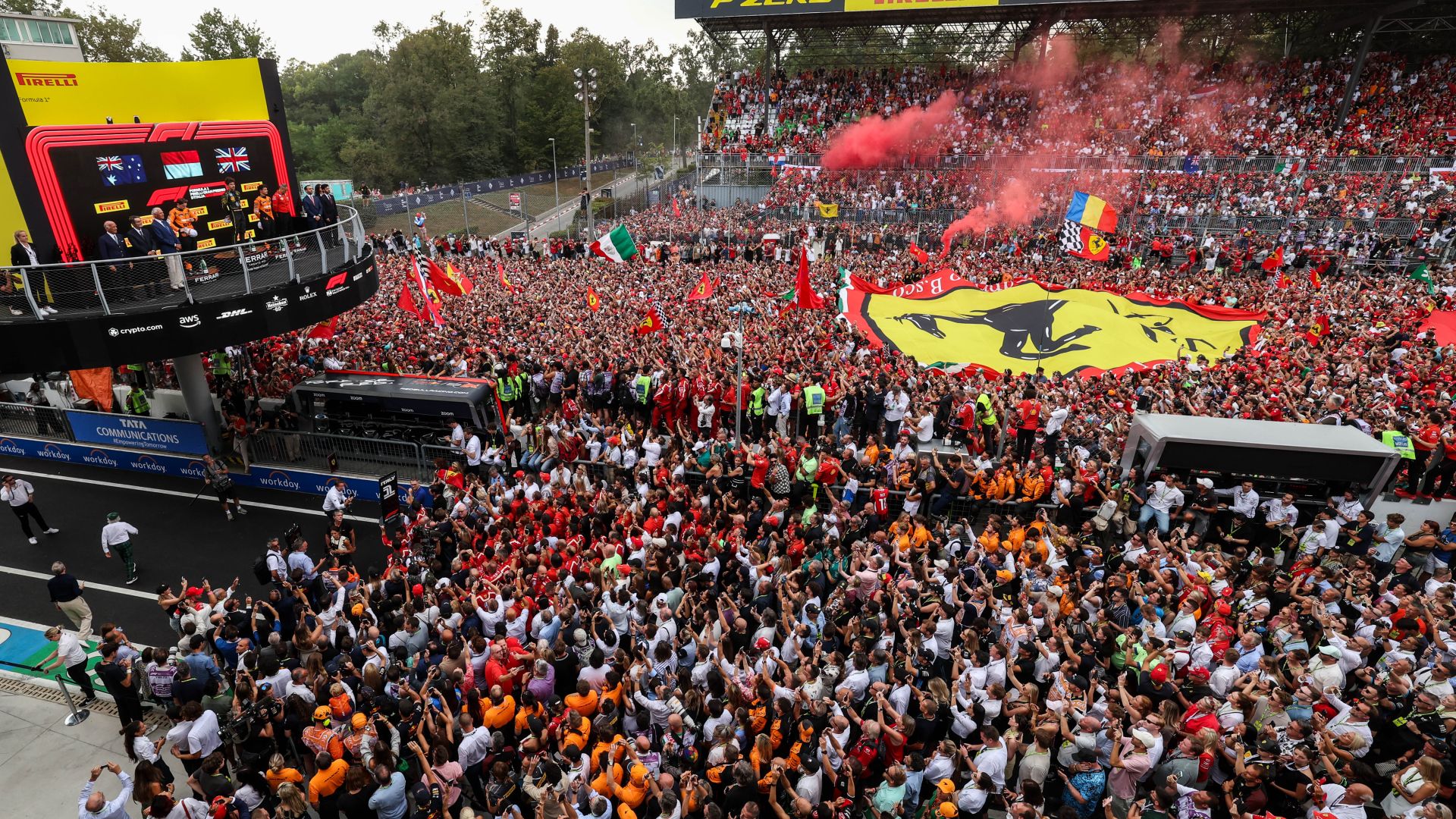
What Is The Oldest F1 Track Still In Use?
Formula 1 racing has a rich history spanning back to the 1950s, with many iconic circuits hosting Grand Prix events over the decades. Among these…

5 Things That Make IndyCar Racing The Most Exciting Motorsport In The World
IndyCar racing has established itself as a premier motorsport destination, combining intense competition with compelling personalities. The series features close racing, different winners, and a…
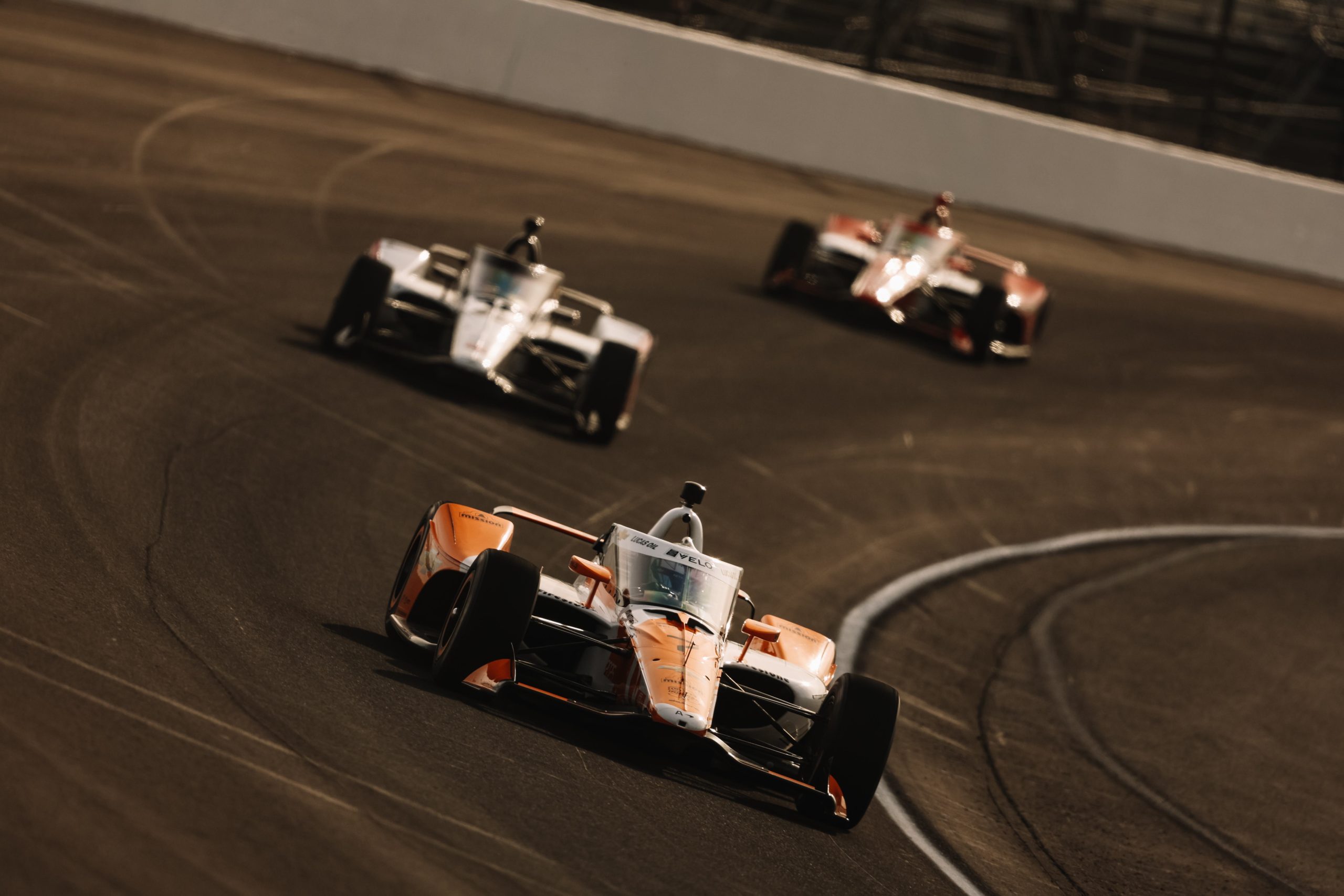
How Loud Is An IndyCar?
IndyCars produce sound levels averaging 110 to 120 decibels (dB) at 50 feet, peaking at 130 dB during full-throttle passes at 240 miles per hour,…
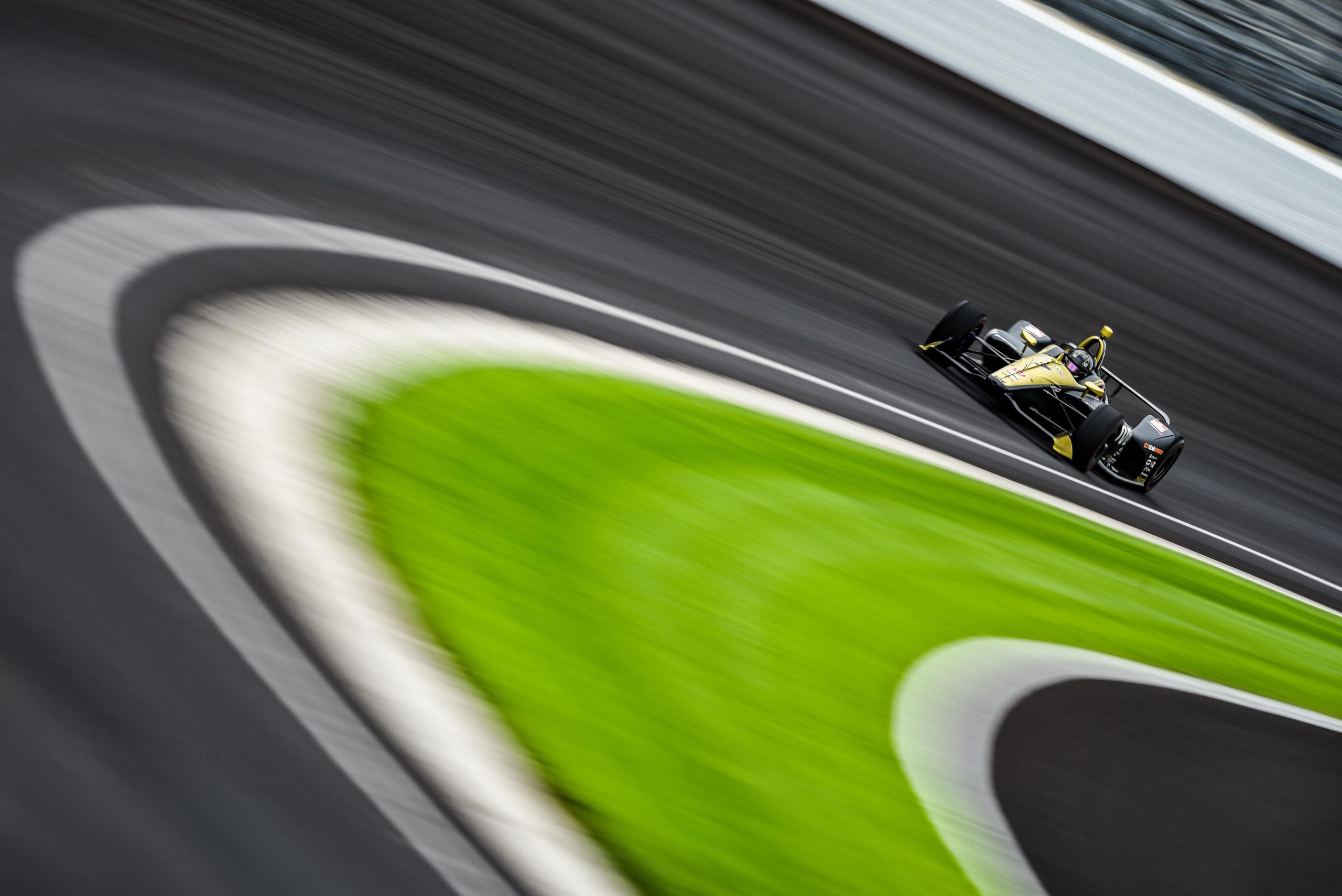
Why Doesn’t IndyCar Race At Daytona?
IndyCar does not race at Daytona International Speedway because the high speeds and steep banking of the oval create unsafe conditions for open-wheel cars. In…

What Car Does Ford Use In NASCAR?
Ford uses the Mustang Dark Horse in the NASCAR Cup Series and NASCAR Xfinity Series, and the F-150 in the NASCAR Craftsman Truck Series, competing…
What Brand Car Is Most Used In NASCAR?
NASCAR showcases high-speed competition with purpose-built cars from select manufacturers. For fans and newcomers alike, a common question arises: what brand dominates the NASCAR grid?…
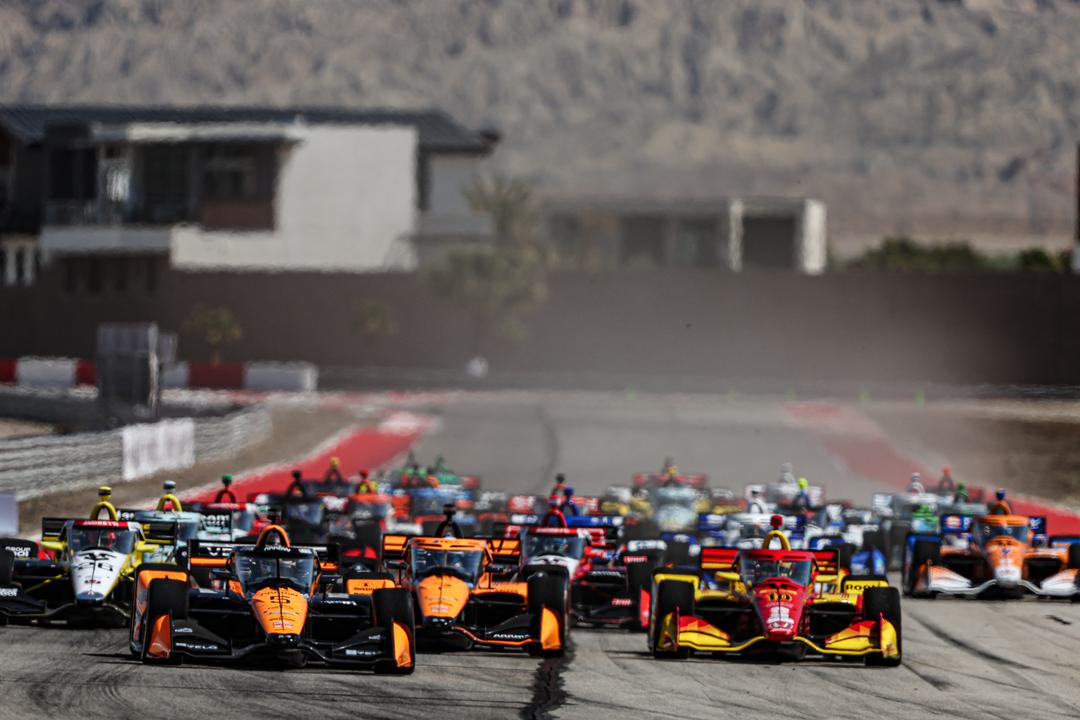
The Challenges of Transitioning from Indy NXT to IndyCar
The world of American open-wheel racing is a ladder system designed to identify, develop, and promote talent. At the pinnacle is the NTT IndyCar Series,…
How Many Miles Per Gallon Does An IndyCar Get?
IndyCars, the high-performance vehicles competing in the NTT IndyCar Series, typically achieve around 4 miles per gallon (mpg) during races, prioritizing speed and power over…
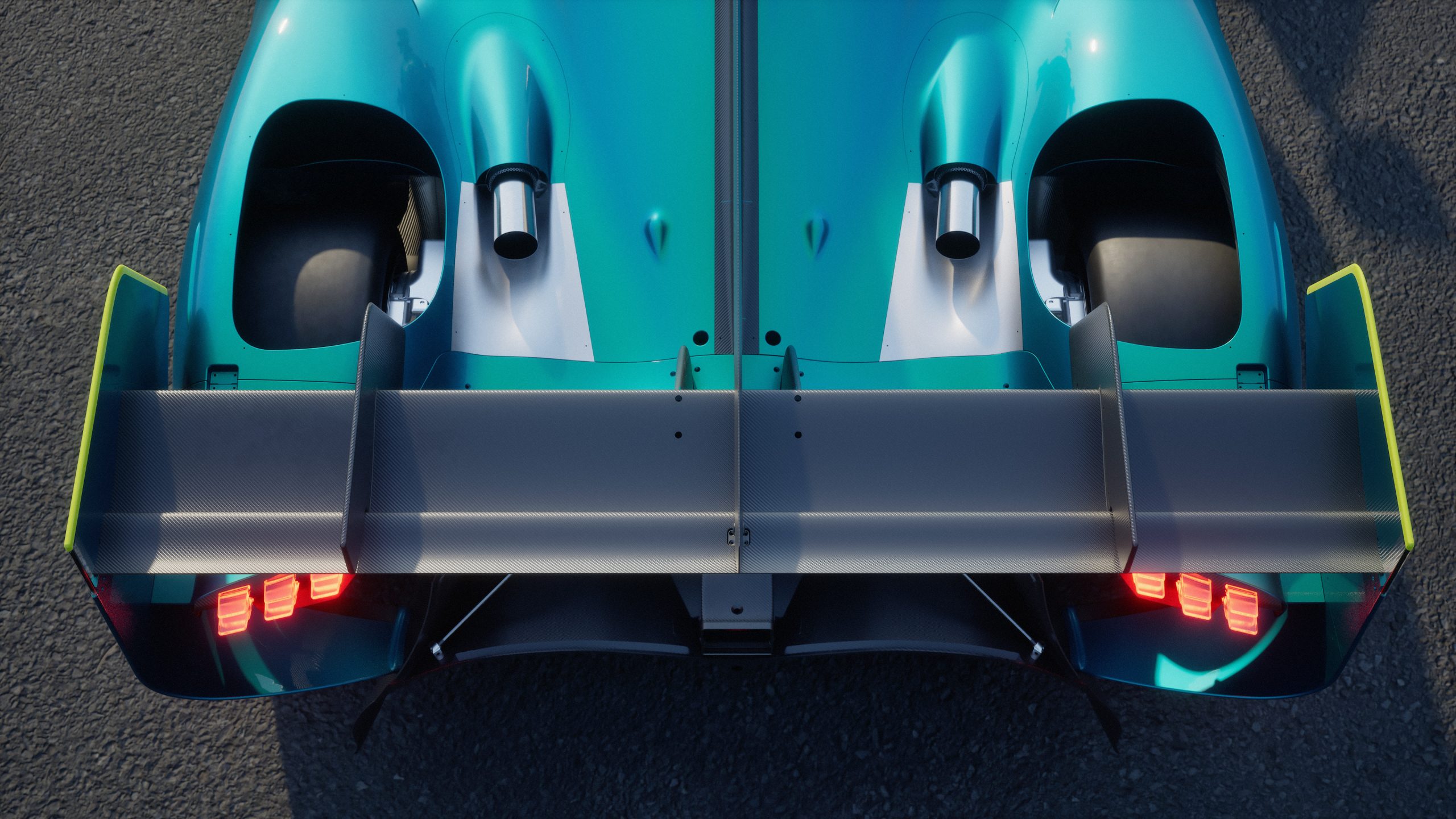
Are Le Mans Cars Faster Than F1?
The age-old debate between Formula 1 and Le Mans cars continues to captivate motorsport enthusiasts worldwide. While both racing disciplines represent the pinnacle of automotive…
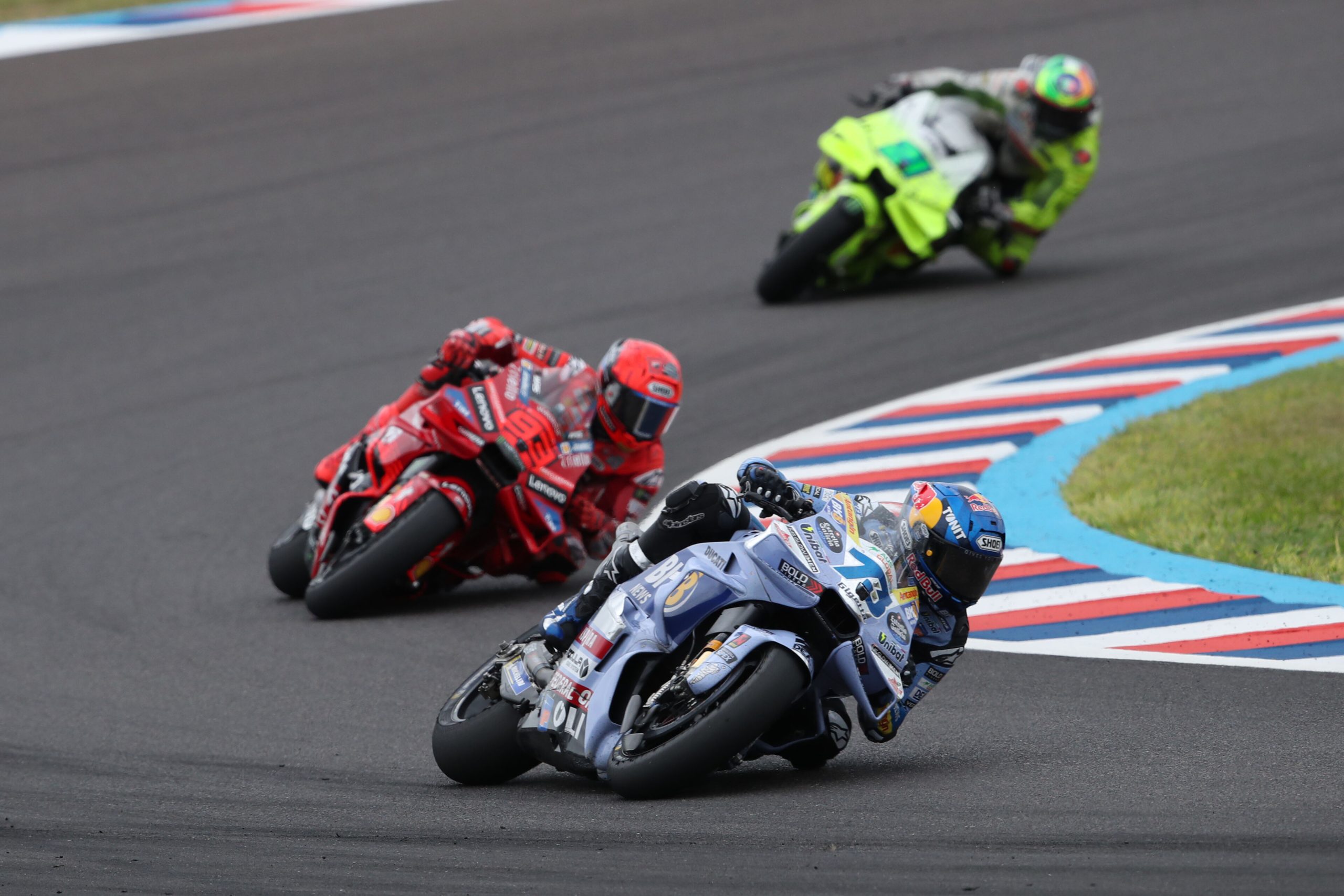
How Do MotoGP Riders Lean So Low?
MotoGP riders lean so low—up to 65 degrees from vertical—by mastering body positioning, trusting high-grip tires, and relying on advanced bike technology to defy gravity…